- Home
- Places to Visit
- Mirissa
Mirissa: Golden Beaches and Blue Whales on Sri Lanka's South Coast
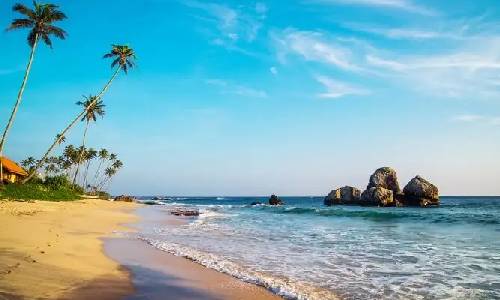
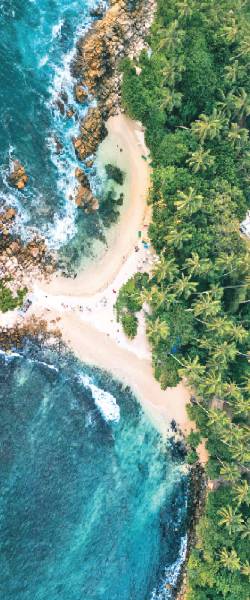
Mirissa is one of Sri Lanka's most inviting southern beach towns, known for its crescent-shaped bay, swaying coconut palms, warm water, and relaxed coastal atmosphere. It is an easy place to slow down after exploring the island's cultural sites and mountain roads.
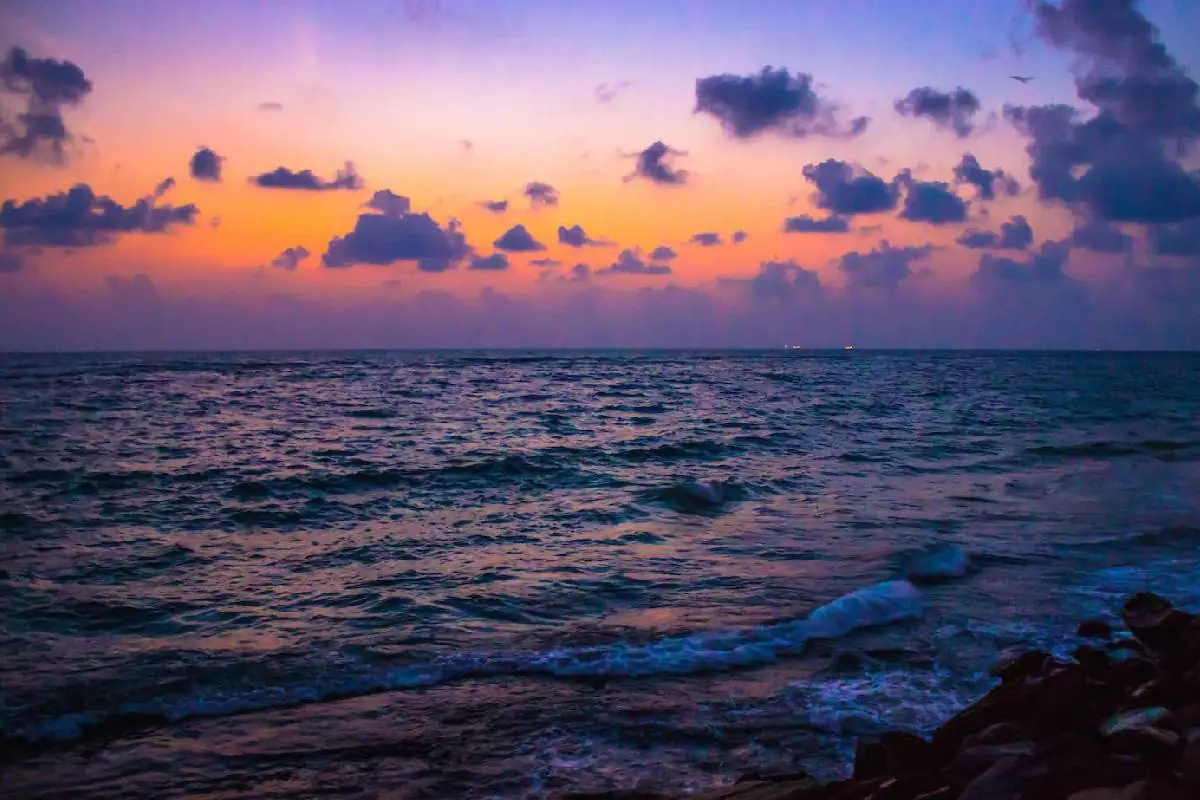
The beach is beautiful throughout the day, but Mirissa is especially memorable at sunrise and sunset. Small restaurants, beach cafes, and guesthouses line the shore, while the nearby harbour is the departure point for seasonal whale-watching trips.
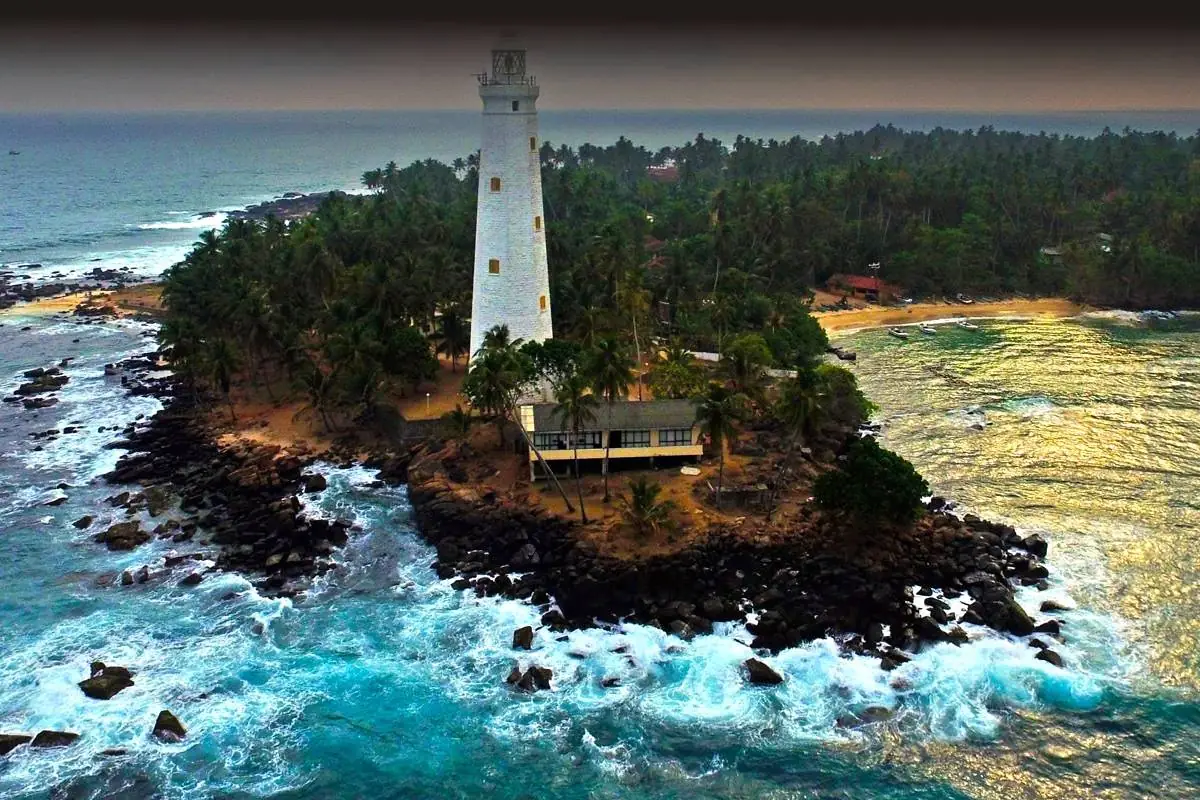
Mirissa also makes a useful base for exploring the wider south coast. Weligama, Matara, Dondra Head, Madiha, and Galle can all be reached by road, making it simple to combine swimming, marine experiences, food, and coastal sightseeing.
Things to Do in Mirissa
Spend time on Mirissa Beach swimming, reading, or walking along the sand when the tide is low. The bay has several sections, so visitors can find a quieter stretch away from the busier central beach. Always check local conditions before entering the water.
Climb Parrot Rock for a short viewpoint walk and a wide view across the bay. The path can be slippery after rain and the rock is surrounded by water at high tide, so wear shoes with grip and do not attempt the crossing in rough conditions.
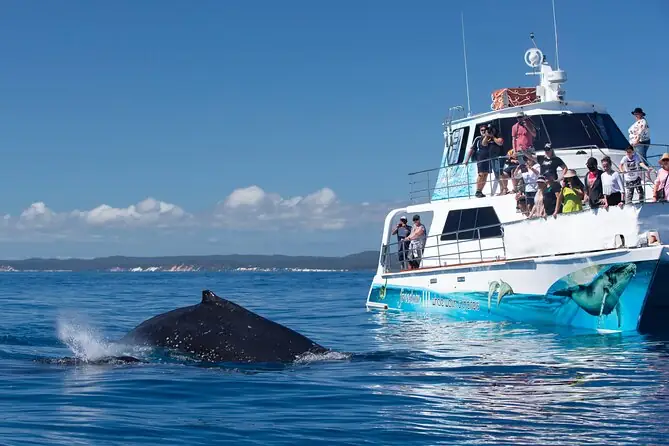
A whale-watching cruise is the area's signature experience. Blue whales, sperm whales, Bryde's whales, dolphins, and seabirds may be seen offshore. Wildlife sightings are never guaranteed, so choose an operator that follows responsible marine-wildlife practices and avoids chasing or crowding animals.
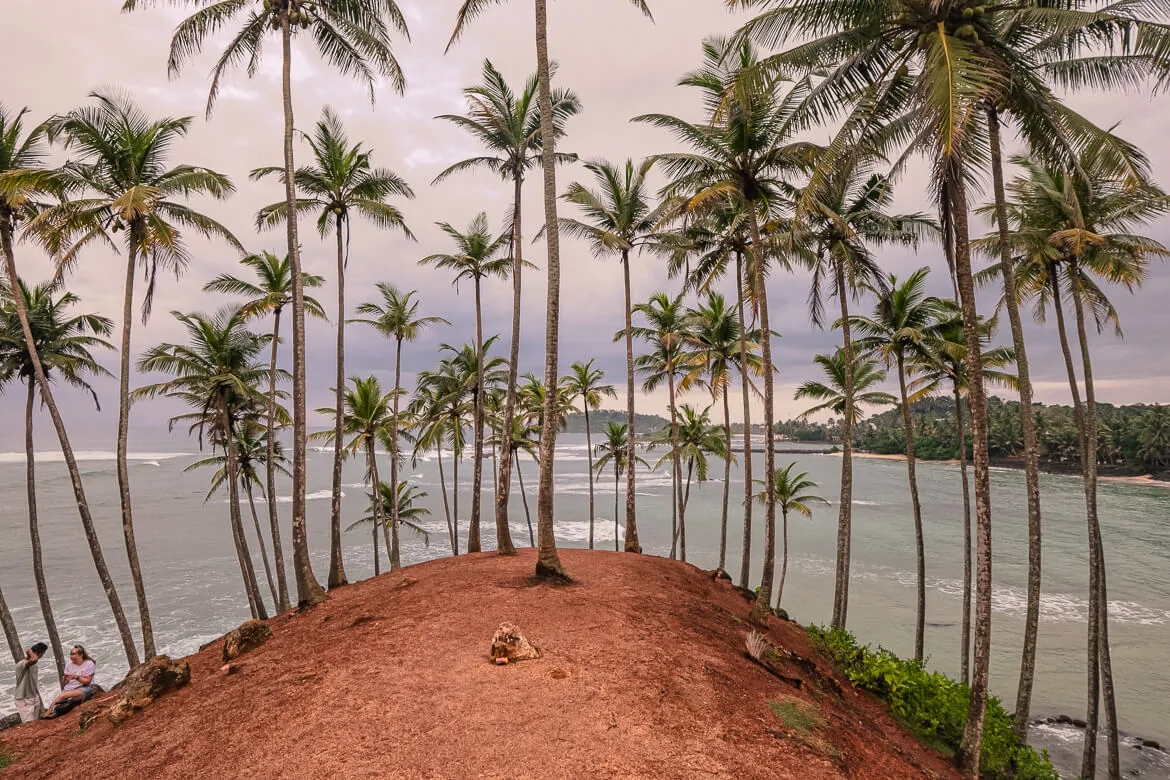
For a quieter coastal morning, visit nearby Coconut Tree Hill, walk through the lanes around Madiha, or take a short trip to Weligama Bay. Surfers can find beginner-friendly waves in Weligama, while experienced swimmers should still pay attention to currents and beach warnings.
When is the best time to visit Mirissa?
The best beach and whale-watching conditions on the south coast are generally from December to April. These months usually bring sunnier weather and calmer seas, although tropical showers can occur at any time. December to March is often the strongest period for whale-watching excursions.
The southwest monsoon can bring rougher seas and more rain from May to September. Mirissa is still enjoyable in the quieter season, but boat trips may be postponed for safety and sea conditions can change quickly. Confirm your excursion the day before departure.
Tips for Visiting Mirissa
- Use reef-safe sunscreen, a hat, sunglasses, and drinking water during beach days.
- Check the flag system and local advice before swimming or walking across rocks.
- Book whale watching with a licensed operator that respects distance and speed guidelines.
- Choose an early boat departure for cooler conditions and calmer seas.
- Keep plastic and other rubbish away from the beach and ocean.
- Carry a light cover-up for visiting temples or travelling through local communities.
How do I get to Mirissa?
Mirissa is approximately 150 kilometres south of Colombo and about 35 kilometres east of Galle. A private car or taxi is the most comfortable option, especially when combining Mirissa with Galle Fort, Yala National Park, or other southern destinations.
Trains and buses connect nearby Weligama and Matara with Colombo and other towns. From either station, a short tuk-tuk or taxi ride will take you to Mirissa Beach. The Southern Expressway makes road travel from Colombo faster, while the coastal road offers more local scenery.
How long should I stay in Mirissa?
Two nights are enough for a beach day and a whale-watching excursion, while three or four nights allow a slower schedule with time for Weligama, Matara, Galle, and nearby beaches. Keep one flexible morning in your plan if whale watching is a priority, because trips can be delayed by weather.
Is whale watching safe in Mirissa?
Whale watching can be safe when the boat is licensed, properly maintained, and operated by an experienced crew. Sea conditions can be tiring, especially for young children or travellers prone to motion sickness. Follow crew instructions, remain seated when the boat is moving, and bring any personal medication you need.
What is the beach safety advice for Mirissa?
Mirissa's sea can develop strong waves and currents even when the beach looks calm. Swim close to lifeguarded areas where available, never turn your back on the surf, and avoid the water after heavy rain or when warning flags are raised. Rocks around viewpoints and beach entrances can also be sharp and slippery.
What to keep in mind when visiting Mirissa
Mirissa is a living coastal community as well as a holiday destination. Support local restaurants and guides, respect residents' privacy, avoid disturbing nesting or marine wildlife, and leave the sand and reef as you found them. A considerate visit helps keep the bay welcoming for future travellers.



Mirissa Beach: A Gentle Gateway to Sri Lanka's Southern Coast
A Beach Town with More Than a Beautiful Shoreline
Mirissa's appeal is its balance. The beach is scenic without feeling disconnected from everyday coastal life, and the town is small enough to explore at an easy pace. Mornings can begin with a harbour trip or a quiet walk, while afternoons are made for shade, swimming, and fresh seafood.
The surrounding coast adds variety to a stay. Weligama brings a broad bay and surf lessons, Madiha offers a more local atmosphere, and Galle adds a strong dose of history and architecture. Together they make Mirissa a natural stop on a south-coast Sri Lanka itinerary.
Responsible Whale Watching
Seeing a whale in the open ocean is a powerful experience, but the animals should always remain the priority. Responsible operators maintain distance, avoid sudden approaches, and give whales room to surface and change direction. Ask questions before booking and be willing to accept a cancelled trip when the sea is unsafe.
That care protects the marine environment and makes the encounter calmer for everyone on board. Mirissa is at its best when the beach, harbour, and ocean are treated as shared places rather than attractions to be consumed.