Galle Fort: Sri Lanka’s UNESCO Crown Jewel – And the Uncomfortable Truths It Hides Beneath Its Walls
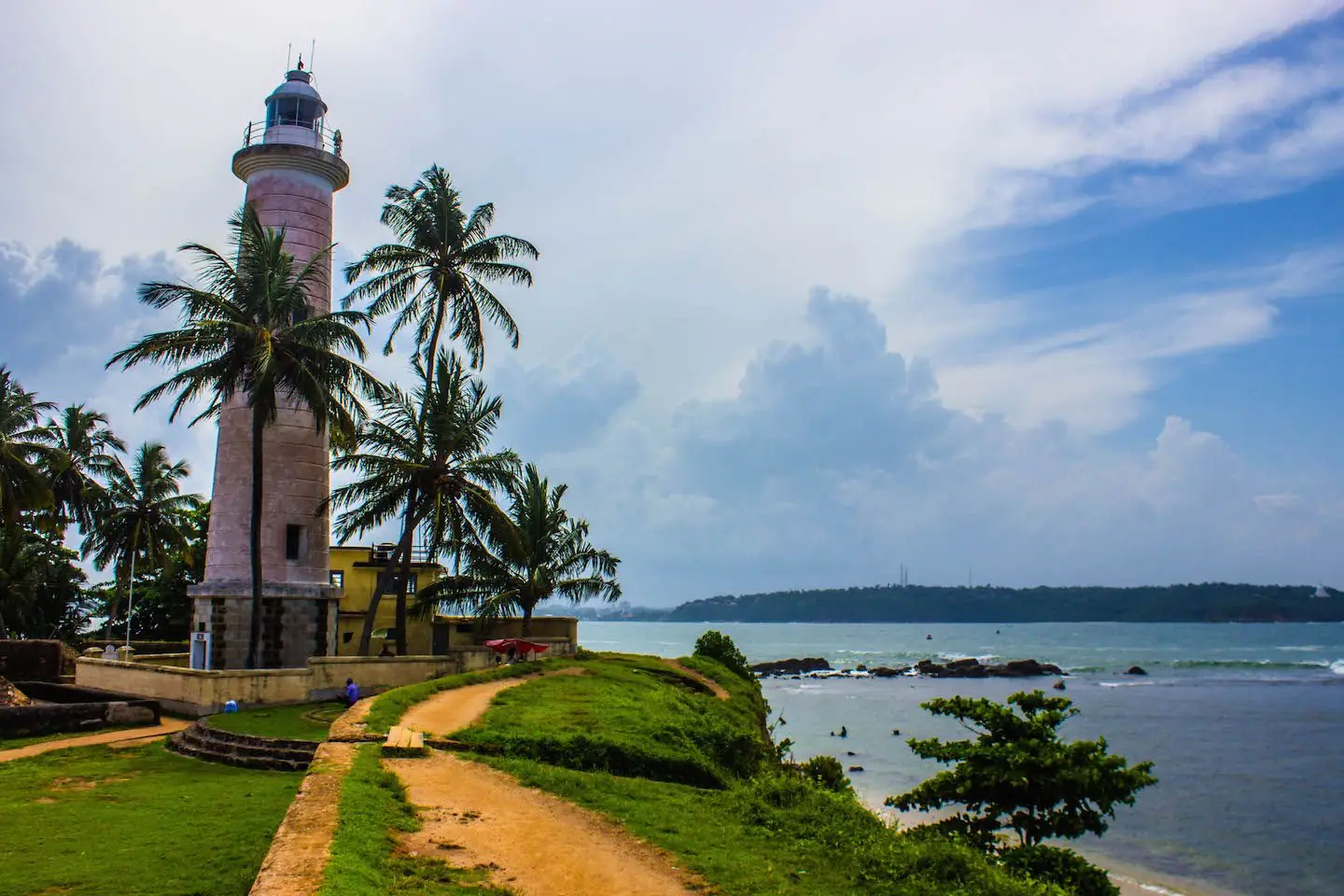
Galle Fort is not just a crumbling wall by the sea, it is the largest remaining Europeanb built fortress in all of Asia and the best preserved colonial fortified city in South Asia. Perched on the sun drenched southwestern tip of Sri Lanka, where the Indian Ocean crashes against coral studded shores, this 36-hectare (90-acre) stronghold is a mesmerizing fusion of European military engineering and South Asian urban life.
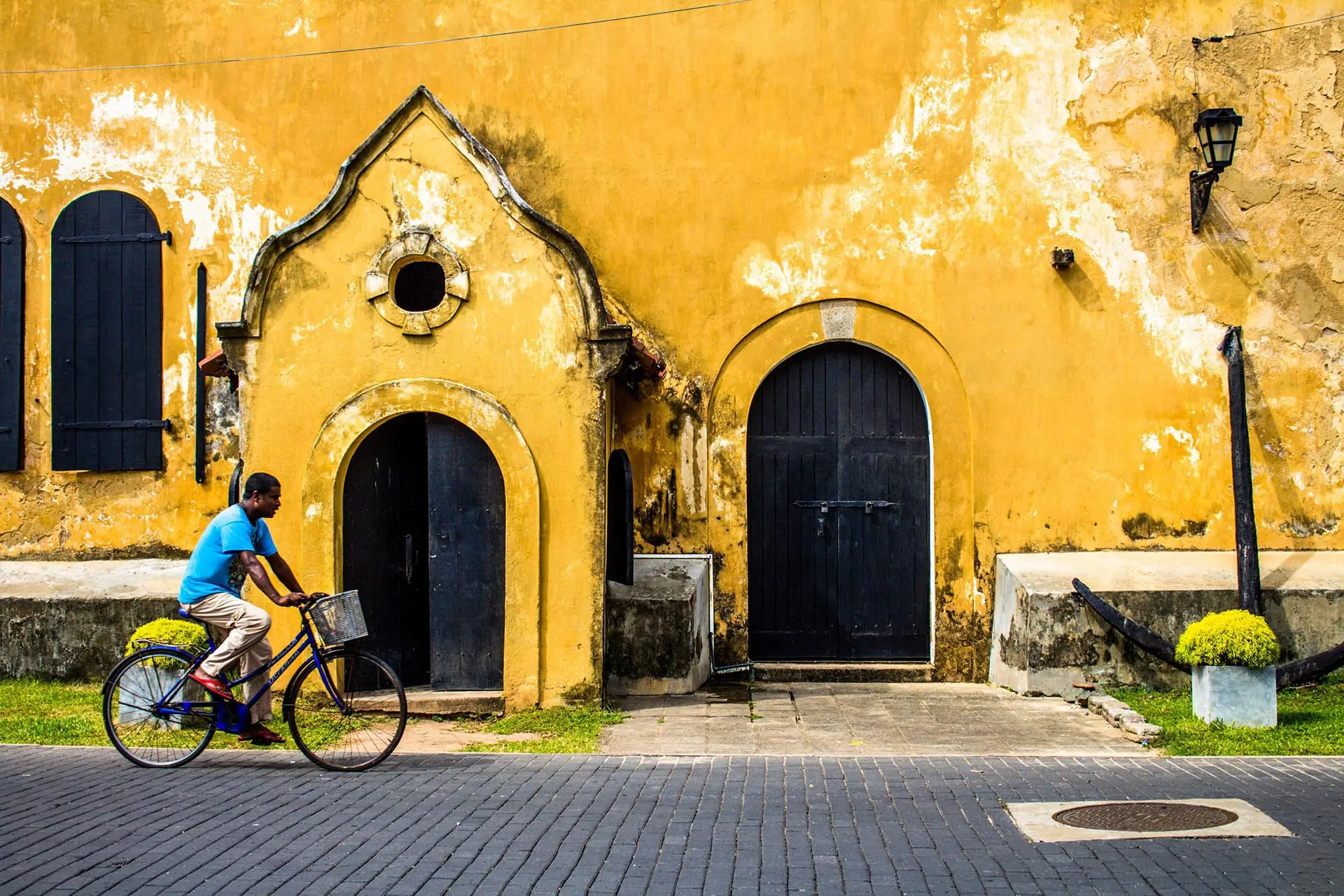
Built originally by the Portuguese in the 16th century and spectacularly expanded by the Dutch in the 1600s, the fort is defined by its iconic star shaped granite and coral ramparts, which tower 6 to 7 meters high and stretch over 3 kilometers in circumference. But here is what makes Galle truly unique among the world's fortresses: it is still alive. Unlike a deserted museum or a relic buried in a field, Galle Fort is a living city complete with bustling streets, family homes, churches, mosques, schools, government courts, boutique hotels, and cafés, all contained within its ancient walls.
Designated a UNESCO World Heritage Site in 1988, it stands as a powerful testament to the clash and fusion of civilizations where Portuguese, Dutch, and British colonial ambitions collided with the rich traditions of Sri Lanka. Yet, beneath its postcard-perfect facades and spectacular sunset views, the fortress guards centuries of buried secrets: the forced labor of enslaved Africans and South Indians who built its mighty walls, forgotten dungeons, ghostly legends, and a fragile present day battle to survive against unchecked commercialization and the constant threat of losing its UNESCO status.

Portuguese Origins (16th Century)
The story of Galle Fort begins in 1588, when the Portuguese, seeking to control the lucrative spice trade, constructed a small fortification on the site of an existing fishing village. The original Portuguese fort was modest, but it laid the groundwork for what would become one of the most impressive colonial fortresses in Asia. The Portuguese influence is still visible today in the form of a few surviving structures and the layout of the streets within the fort.
Dutch Expansion (1640–1796)
In 1640, the Dutch East India Company seized control of Galle from the Portuguese. Recognizing the strategic importance of the location, they embarked on an ambitious expansion project that transformed the fort into a formidable military stronghold. The Dutch constructed massive stone walls, bastions, and gates, many of which still stand today. They also laid out a grid-like street plan that organized the fort into distinct residential, commercial, and administrative zones.
British Period (1796–1948)
When the British took control of Sri Lanka in 1796, they made relatively few changes to Galle Fort, as it was already a well-established and functional settlement. However, they did introduce new architectural styles, including Victorian and Edwardian influences, which can be seen in some of the buildings constructed during this period. The British also maintained the fort's role as a key administrative and military center.
UNESCO World Heritage Status
In 1988, Galle Fort was designated a UNESCO World Heritage Site in recognition of its outstanding universal value. This status has helped to protect the fort from unchecked development and has brought international attention to its historical and cultural significance. However, it has also created challenges, as the fort must balance the needs of its residents with the demands of tourism and preservation.


The "Sinhalese Architect" Theory
One of the most intriguing aspects of Galle Fort's history is the theory that a Sinhalese architect may have played a significant role in its design and construction. New research reveals that the actual construction process and technology were the work of a Sinhalese man from Matara named 'Matara Samarakon Fernando' (aka 'Samarakon Mudali'). While the fort is primarily associated with European colonial powers, some historians argue that local knowledge and expertise were crucial in adapting European military engineering techniques to the unique environmental and cultural context of Sri Lanka. This theory suggests that the fort's layout, defensive features, and even some of its architectural details may reflect a fusion of European and Sinhalese influences.
A History Forged by Enslaved Africans & South Indians
While Galle Fort is celebrated for its architectural beauty and historical significance, it is also a site that bears witness to the darker aspects of colonial history. The construction of the fort relied heavily on the labor of enslaved Africans and South Indians, who were brought to Sri Lanka by the Portuguese and Dutch. These individuals endured harsh conditions and were often subjected to brutal treatment. Their contributions to the fort's construction are largely unrecognized in mainstream historical narratives, but they are an essential part of the story of Galle Fort.
It is estimated that around 15,000 Africans, brought from Portuguese and Dutch colonies, did the back breaking work of constructing the Fort. Their quarters, dungeons, and a cemetery (now a car park) exist within the fort, but their contribution remains largely unacknowledged.
The VOC also enslaved many from South India, or their descendants. While the VOC officially owned 77 enslaved people in Galle in the 1760s, the total number was much higher when counting those owned privately by Company officials. The fort's own plan from that era marks a "slaven hospital" (slave hospital), pointing to a forgotten infrastructure built to manage this enslaved population.
Evidence of Violence & The "Black Fort" Origins
There is evidence of violence and oppression within the fort, including a "slaven hospital" and a "black fort" that may have been used to punish enslaved Africans. The fort's history is marked by the exploitation and suffering of those who built it, and these stories are often overlooked in favor of more romanticized narratives of colonial grandeur.
Recent bioarchaeological excavations (2019-2020) within the ramparts' backfill unearthed over 90 human and 120 faunal remains. Preliminary observations revealed cut marks on both animal and human bones, corroborating historical records of the "violence and disruption faced by the colonized". These weren't just soldiers; they were the people caught in the colonial machine.
The Zwart Bastion (Black Fort), is the oldest part of the fortifications, built by the Portuguese around 1580. It earned its ominous name not from its color, but from the constant thick coils of smoke from cannons and nearby smithies. It is also said to contain an escape tunnel.
Sealed Dungeons & A Hidden Plague History
Beneath the bastions of Galle Fort, there are several dungeons that have been sealed with no records, rendering them unrecognizable and their history a complete mystery.
Little was known about the fort's vast network of brick-lined drains, which lay six to twelve feet below ground, until a bubonic plague epidemic in 1922 forced authorities to explore and exterminate the enormous rat population within them.
Hauntings & Colonial Cruelty
The most famous ghost story is of a "White Lady", a sorrowful female figure seen walking the ramparts at night. The lore typically involves a tragic tale of a local woman who fell in love with a foreign soldier, a romance that ended in violent tragedy.
Excavations have unearthed human bone fragments and iron coffin handles from a site that was set aside as a cemetery under Portuguese rule in the 16th century.
The Legend of "Tarshish"
A fascinating historical claim is that Galle is the ancient seaport "Tarshish" mentioned in the Bible. The historian Sir Emerson Tennent claimed that this was the city from which King Solomon drew ivory and other valuables, tying Galle's history to a much older, almost mythical, maritime past.