Kandy's Hidden Shadows: Royal Intrigues, Colonial Betrayals, and the Secrets of the Sacred Temple
Kandy: The Most Sacred City in Sri Lanka
Colonial Legacy and Architectural Marvels
Hill Country Splendor and Scenic Beauty
Vibrant Cultural Experiences and Festivals
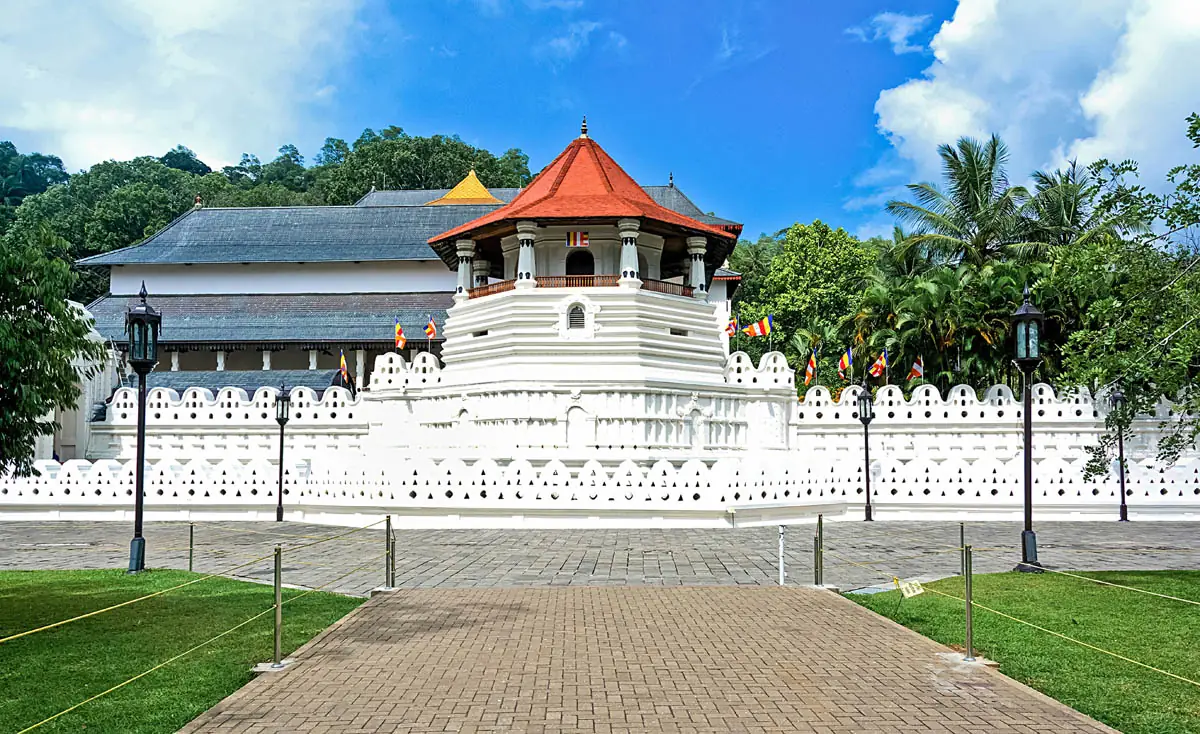
Kandy, a UNESCO World Heritage Site, is renowned for its rich cultural heritage and historical significance. The city is home to the Temple of the Tooth Relic, a sacred Buddhist site that attracts pilgrims from around the world. Visitors can explore the temple complex, which houses the revered relic of Lord Buddha's tooth, and witness traditional rituals and ceremonies.
Kandy's colonial past is evident in its architecture, with British-era buildings and charming streets that reflect the city's historical significance. The Royal Botanical Gardens in Peradeniya, located just outside Kandy, is a must-visit destination for nature enthusiasts. The gardens boast a diverse collection of plants, including rare orchids and towering palm trees, making it a paradise for botanists and nature lovers alike.
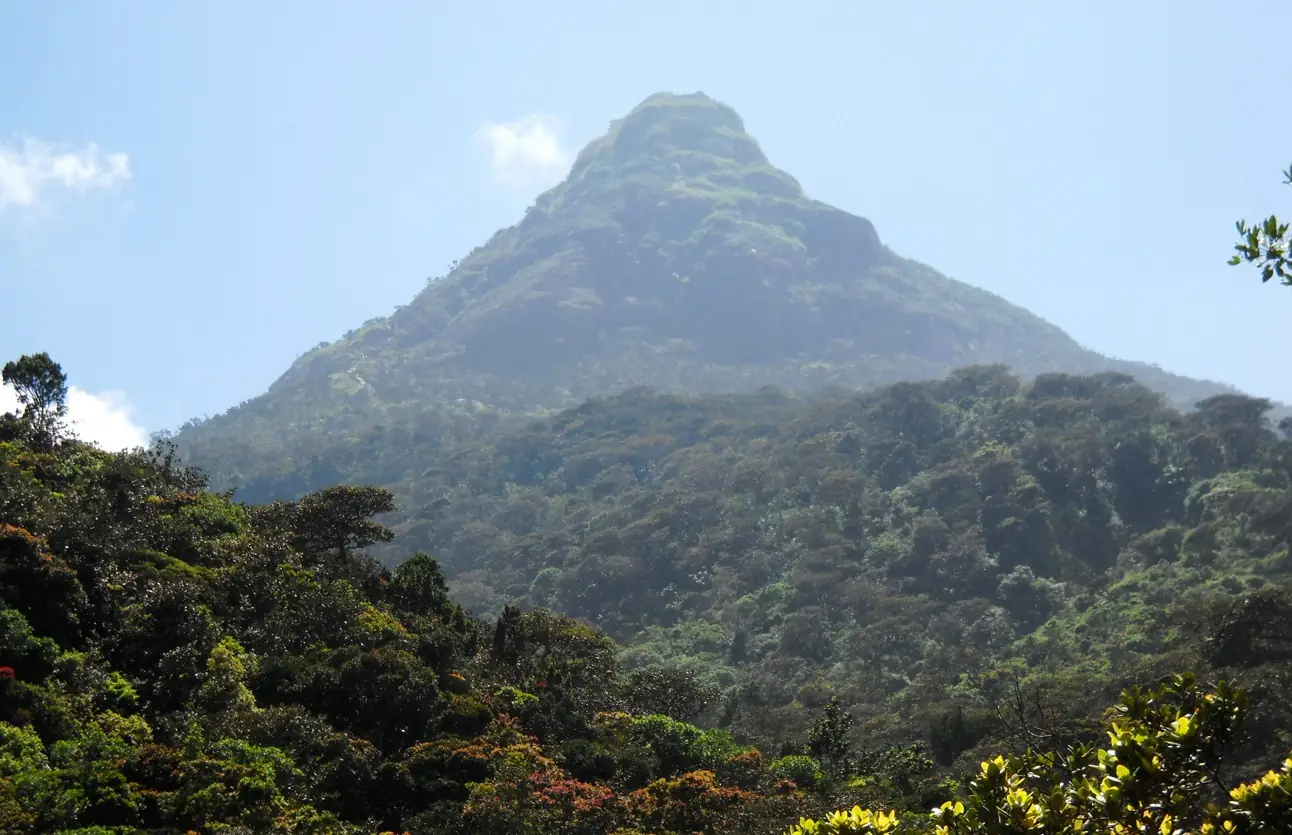
Surrounded by lush hills and picturesque landscapes, Kandy offers breathtaking views of the surrounding countryside. Visitors can take a leisurely stroll around Kandy Lake, a serene man-made lake in the heart of the city, or embark on a scenic train journey through the hill country to experience the region's natural beauty. The cool climate and verdant tea plantations add to the charm of Kandy, making it a perfect destination for those seeking tranquility and relaxation amidst nature.
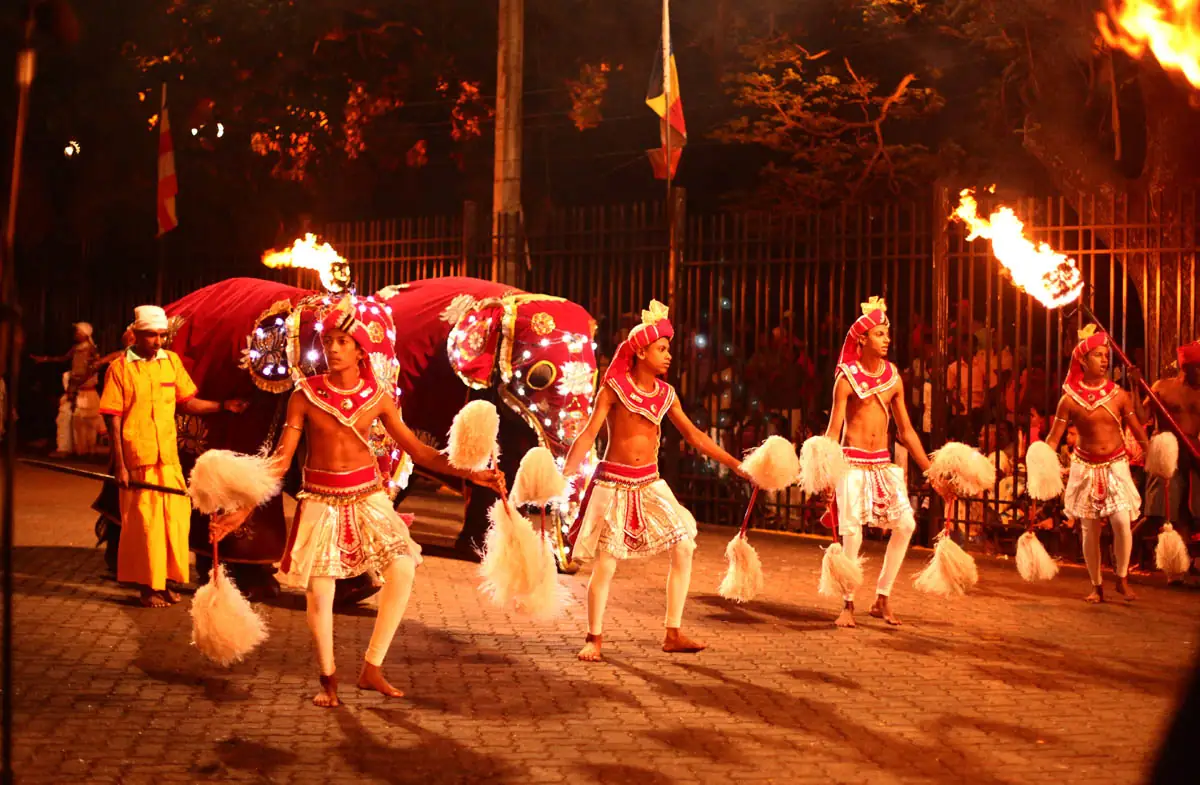
Kandy is also known for its vibrant cultural scene, with traditional dance performances, music, and festivals that showcase the city's rich heritage. The Kandy Esala Perahera, one of the most famous cultural festivals in Sri Lanka, is held annually in Kandy and features a grand procession of dancers, drummers, and decorated elephants. Visitors can immerse themselves in the local culture and witness the colorful celebrations that highlight the city's artistic traditions and religious significance.



Best Time to Visit Kandy
The best time to visit Kandy is during the months of July and August when the Kandy Esala Perahera festival takes place. The weather is generally pleasant during this period, with cooler temperatures and lower humidity. However, Kandy can be visited year-round, as the city experiences a tropical climate with occasional rainfall. Travelers should check the local weather forecast and plan their visit accordingly to make the most of their time in this culturally rich and historically significant city.
Getting Around Kandy
Kandy is a compact city, and most of the main attractions are within walking distance of each other. Visitors can explore the city on foot, taking in the sights and sounds of the bustling streets, or use local transportation options such as tuk-tuks and buses for longer distances. Additionally, guided tours are available for those who prefer a more structured experience, providing insights into the city's history, culture, and landmarks. For those looking to venture outside the city, car rentals and private drivers are also available, allowing travelers to explore the surrounding hill country and nearby attractions at their own pace.
Unfamous and Hidden Historical Information About Kandy
The Brutal Construction of Kandy Lake
Kandy Lake, also known as Kiri Muhuda or the Sea of Milk, was constructed in 1807 by King Sri Wickrama Rajasinghe. The lake was built to enhance the beauty of the city and provide a serene environment for the royal palace. However, the construction of the lake was not without controversy. It is said that the king ordered the forced labor of prisoners and local villagers between 2000 and 3000 laborers to dig the lake by hand, leading to significant suffering and hardship for those involved. The lake's construction is a reminder of the harsh realities of the time and the lengths to which rulers would go to assert their power and leave a lasting legacy.
The Buddhist clergy, specifically the powerful Asgiriya and Malwatta chapters did strongly protest the construction. The lake required flooding a stretch of fertile paddy fields known as Tigolwela, some of which belonged to the Malwatta Viharaya, and it disrupted the traditional road leading to the temple. According to historical accounts (including notes from British civil servant John D'Oyly), the King grew furious at the resistance and ordered the arrest of protesting monks. However, high ranking nobles, such as Adigar Meegastenne, intervened on behalf of the Maha Sangha. The extreme sentence of burning 60 monks alive was never carried out.
Devendra Mulachari was the chief engineer of the lake's construction, and he was responsible for overseeing the project. He was known for his strict discipline and harsh treatment of laborers, which contributed to the suffering experienced during the construction of Kandy Lake. The lake itself is an artificial reservoir that covers an area of approximately 19 hectares and has a circumference of about 3.2 kilometers. It is surrounded by a scenic walking path and is a popular spot for both locals and tourists to enjoy leisurely walks and take in the natural beauty of the area. Devendra Mulachari was the legendary royal architect who also designed the iconic pathirippuva. The octagonal pavilion of the temple. Magul maduwa also called Audience hall, also a significant architectural feature of the area designed by him.
While Mulachari was highly favored by the final three Kandyan monarchs, his immense talent and high standing at court earned him fierce enemies among jealous rivals and certain Radella chieftains. During the construction of the Magul Maduwa (Audience Hall), saboteurs secretly altered the measurements or cut the wooden pillars to uneven heights to frame him for a catastrophic engineering failure. Without properly investigating the matter, King Sri Wickrama Rajasinghe believed the false accusations of treasonous incompetence and sentenced his master architect to a humiliating punishment ordering that his fingers be cut off. Overwhelmed by deep shame, public humiliation, and the sudden loss of the king's favor, Devendra Mulachari chose to end his own life rather than face the mutilation of his hands. He went to the very lake he had just completed designing and drowned himself.
The Temple of the Tooth: A History of Theft and Destruction
The relic was not always in Kandy. It was smuggled from India to Sri Lanka in the 4th century, hidden in the hair of a princess.
In 1284, during a period of invasion, the tooth relic was stolen and taken to India by an invading army. It was only recovered later.
The Portuguese, who fiercely opposed Buddhism, captured the tooth relic in 1560. They publicly destroyed it in Goa, claiming to have crushed it to dust. However, many Buddhists believe that what they destroyed was a copy, and the real relic was secretly preserved.
During the British period, the Temple of the Tooth was heavily damaged. The British military used the temple complex as a garrison and administrative office, causing significant disrespect to the sacred site.
In 1998, the temple was bombed by the Liberation Tigers of Tamil Eelam (LTTE) , a terrorist group. The attack killed 17 people and damaged the temple, though the relic itself remained untouched.
The Kandyan Kings and Their Dark Reputation
The late Kandyan kings is one of the most fascinating intersections of actual historical tyranny, complex political betrayals, and highly coordinated British psychological warfare.
When looking closely at the Nayakkar dynasty (the final four kings of Kandy, who were of South Indian Telugu origin), their historical image shifts dramatically depending on the source.
The Reality: Absolute Monarchy & Draconian Laws
To understand why they gained a reputation for cruelty, one has to look at the traditional Kandyan judicial system. The kings were absolute rulers, and Kandyan law prescribed punishments that seem horrific by modern standards:
Collective Punishment: If a nobleman committed high treason (Pradana Drohikama), his entire extended family was legally subject to execution or enslavement. This law was meant to deter rebellion in a highly volatile feudal system.
The Ehelepola Tragedy: This law culminated in the most notorious act of Sri Wickrama Rajasinghe’s reign the execution of Prime Minister Ehelepola Adigar’s wife, children, and sister in law in 1814. While the absolute horror of the event is real, colonial writers heavily embellished the details (such as forcing the mother to pound her infant's head in a mortar) to maximize shock value.
Impulsive Cruelty: As the kingdom faced continuous British encirclement and internal conspiracies from the Radella (aristocracy), the final kings became deeply paranoid. Sri Wickrama Rajasinghe turned to heavy drinking and ordered rapid, severe punishments for any suspected insubordination, completely alienating his inner court.
The Propaganda: The British "Black Legend"
While the kings were undoubtedly autocratic, a major portion of their "dark reputation" was deliberately manufactured. The British Empire desperately wanted to capture the Kandyan kingdom the last independent stronghold on the island but they needed a moral justification to break their existing treaties.
Sir John D’Oyly, the brilliant British chief intelligence officer, ran a highly sophisticated espionage and disinformation campaign. He and his agents actively weaponized the king's paranoia and amplified stories of his misdeeds to accomplish two goals:
Turning the Locals: Convinving the Kandyan chieftains and the Buddhist clergy that the king was an oppressive, foreign tyrant who cared nothing for Sinhala traditions or Buddhism.
Justifying Invasion: Presenting the British military invasion of 1815 to the public and the British Parliament not as a war of conquest, but as a "humanitarian intervention" to rescue the Kandyan people from a monster.