
Galle Fort (Dutch Fort) Sri Lanka
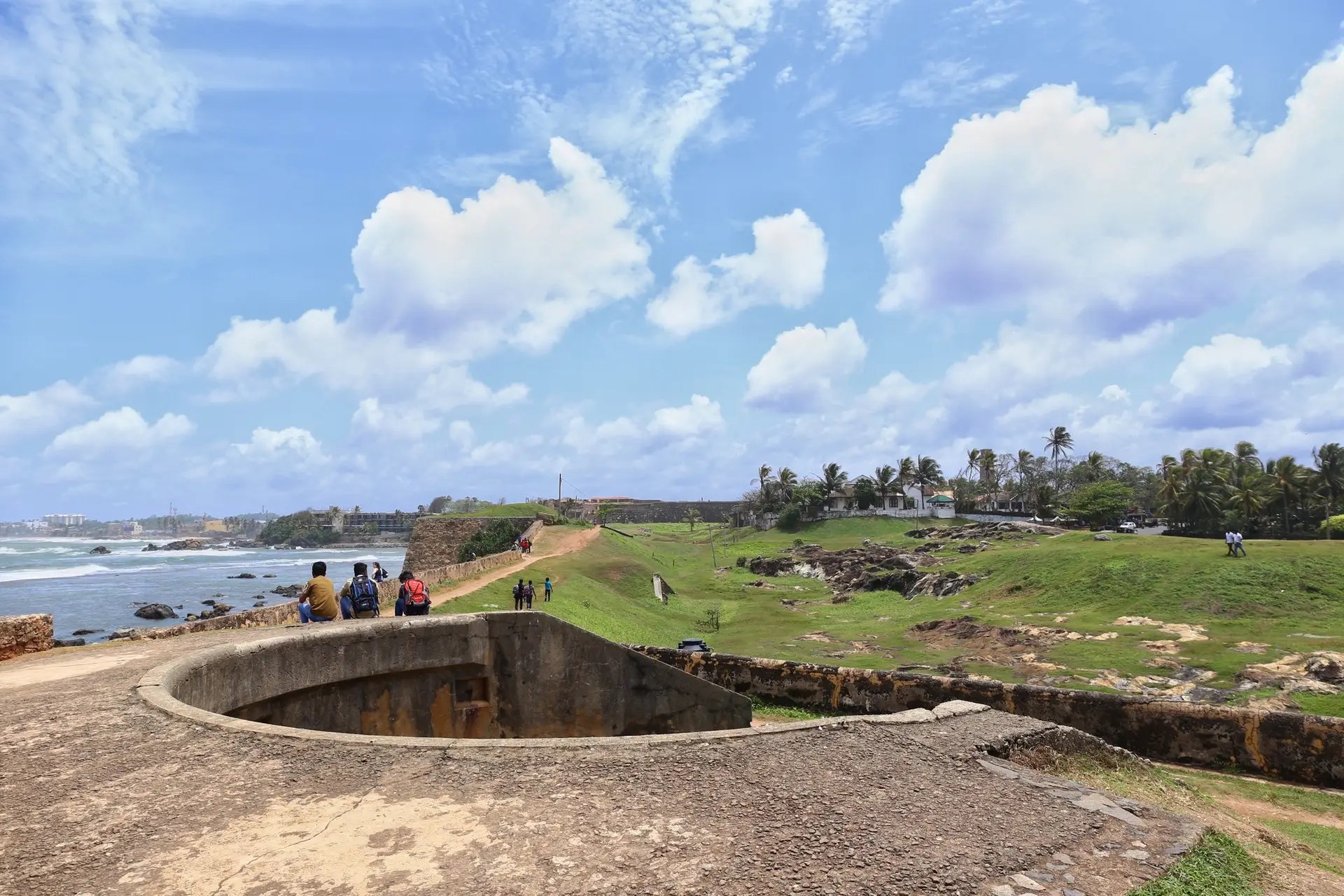
The Portuguese fortress known as Galle Fort, or Dutch Fort, was constructed in 1588 on the bay of Galle along the southwestern coast. During the Dutch colonial period in Sri Lanka, the fort was further fortified. This impressive fortress consists of 14 bastions and remains the finest example of a fortified city in Asia built by Europeans. It showcases a blend of European architectural styles and South Asian traditions. In 1988, UNESCO recognized the Galle Dutch Fort as a World Heritage site, officially named the Old Town of Galle and its Fortifications. Spanning an area of 52 hectares within its walls, the fort features notable landmarks such as a lighthouse on the Utrecht bastion and a tower erected to commemorate Queen Victoria’s jubilee in 1883. Additionally, a Protestant church was constructed in Baroque Style in 1775. Among the prominent structures within the fort complex are the Commandant’s residence, the arsenal, and the gun house.



History of the Dutch Galle Fort
Lorenzo de Almeida led the Portuguese in their first landing to Ceylon in 1505. Initially, the Portuguese constructed a temporary fort in Galle. However, when the Dutch nationals conquered Sri Lanka in 1640, they captured the Galle fort and proceeded to reconstruct it, expanding, and reinforcing its defenses. The Dutch transformed the Galle fort into their administrative center, implementing additional security measures such as moats, trusses, and sentry points.
In 1796, the Dutch handed over the fort of Galle to the English, just one week after surrendering Colombo. The entrance to the fort showcases cut stones, semicircular stones, and arches that exemplify the unique Dutch architectural and technological expertise.


Dutch architects showcased their superiority in architectural and construction through various structures, including the Warehouse, Bastian, Dutch Hospital, Protestant Church & Churchyard, Dutch governors & commanders houses, and other buildings. The architectural style popular in 17th century Holland, characterized by Corinthian patterns, can be observed in many Dutch buildings in Sri Lanka, often combined with Baroque and Rococo patterns.
Galle stands as a remarkable example of an urban ensemble, featuring an exceptional Sewer System from the 17th century. This system effectively flushed sewage away to the sea during high tide, controlled by a pumping station that was once powered by a windmill on the Triton bastion. Coral is frequently incorporated alongside granite in the construction of the ramparts.


